Easy Crochet Dishcloth: Free Step-by-Step Pattern
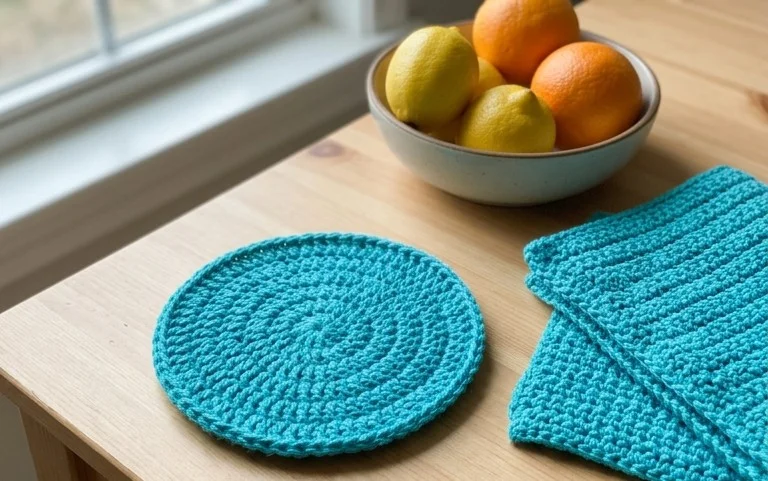
These cotton dishcloths possess a dense, scrubby texture that clears stubborn residue from cast iron pans and ceramic plates far better than thin synthetic alternatives. They suit beginners who want to build muscle memory while creating something useful for the home or as a thoughtful housewarming gift. The moss stitch creates a soft yet sturdy fabric that stands up to heavy daily use in the kitchen. Learning the rhythmic back-and-forth movement of this pattern builds consistent tension quickly, providing a meditative experience that yields tangible results. You will enjoy watching the square grow row by row during quiet evenings at home.
Why You’ll Love This Pattern
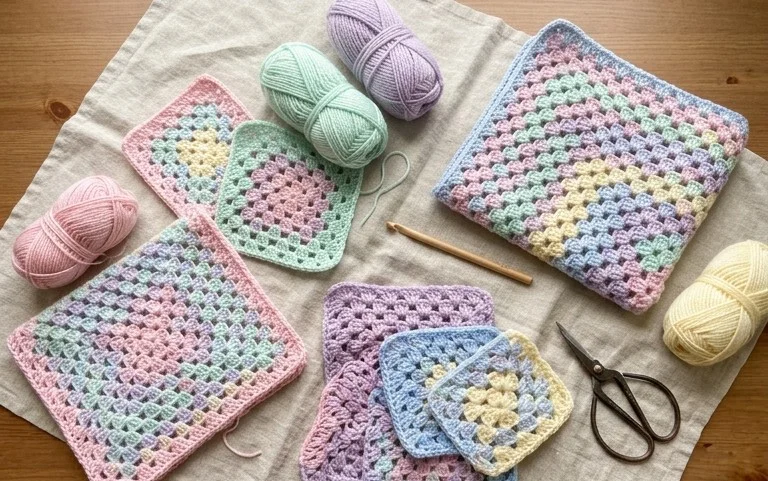
The Classic Crochet Dishcloth is the fundamental project that every fiber artist masters to refine their tension and edge consistency. Because it is worked in a simple moss stitch variation, it creates a dense, sturdy fabric with natural scrubbiness perfect for kitchen chores. You will appreciate the rhythmic nature of the back-and-forth rows, which allows this project to work up in just over an hour. It is also an incredibly economical project, as it requires less than one full skein of standard cotton yarn, making it the ideal way to use up those leftover partial balls in your stash.
I finally finished my first set of three dishcloths, and the texture is so much better than the flimsy store-bought versions. The instructions were easy to follow even as a total beginner.
— Sarah, hobbyist maker
Pattern Overview & Skill Level
- Skill Level: Beginner
- Approximate Time: 60 to 90 minutes per cloth
- Construction: Worked in flat rows starting from a foundation chain
- Finished Dimensions: 8 inches by 8 inches square
Materials & Supplies Needed
- Yarn: Worsted weight (#4) 100% cotton yarn, approximately 60 yards per dishcloth.
- Hook Size: 5.0 mm (US H-8) crochet hook.
- Notions: Yarn needle for weaving in ends, scissors, and optional locking stitch markers to keep row edges straight.
- Safe yarn substitutions: You may use a cotton-linen blend for increased durability, though this will result in a slightly stiffer fabric. Avoid acrylic yarns, as they are not absorbent and may melt if exposed to high heat on cookware.
Stitch Guide & Abbreviations (US Terms)
- ch: Chain
- st: Stitch
- sc: Single crochet
- dc: Double crochet
- sk: Skip
- turn: Turn your work to begin the next row
- Moss Stitch: A combination of single crochet and chain stitches worked into the chain spaces of the previous row.
Step-by-Step Pattern Instructions
Main Dishcloth Body
The pattern is worked over an even number of stitches to maintain the symmetry of the moss stitch sequence.
- Foundation: Ch 32.
- Row 1: Sc in the 4th ch from the hook, *ch 1, sk 1 ch, sc in the next ch; repeat from * until the end, turn. (15 sc, 15 ch-1 spaces)
- Row 2: Ch 2 (counts as ch-1), sk the first sc, sc in the next ch-1 space, *ch 1, sk 1 sc, sc in the next ch-1 space; repeat from * until the last ch-1 space is worked, ending with a sc in the turning ch space, turn. (16 sc, 15 ch-1 spaces)
- Row 3: Ch 2, sc in the first ch-1 space, *ch 1, sk 1 sc, sc in the next ch-1 space; repeat from * across, ending with sc in the turning ch-2 space, turn. (16 sc, 15 ch-1 spaces)
- Rows 4–30: Repeat Row 3 until the piece measures 8 inches in height.
Finishing
After completing row 30, fasten off the yarn, leaving a 6-inch tail. Use your tapestry needle to weave the tail through the base of the final row stitches to secure it. Repeat the process for the starting tail at the foundation chain. Block the dishcloth by dampening it with water and pinning it to a flat surface in a perfect square, allowing it to air dry completely.
Care & Washing Instructions
- Machine wash in warm water on a gentle cycle to maintain the integrity of the cotton fibers.
- Tumble dry on low heat or lay flat to dry to prevent excessive shrinkage.
- Avoid using fabric softener, as it leaves a waxy residue that prevents the cotton from absorbing water effectively.
Pro Tips & Common Mistakes to Avoid
Maintain consistent tension by ensuring your yarn is not pulled too tightly during the chain-one segments; this makes it much easier to insert your hook into the spaces on the following row. If you find your edges are becoming uneven, place a stitch marker in the first and last stitch of every row to ensure you are catching the turning chain properly. Weave your ends in by traveling through the underside of the stitches in two different directions, which prevents the yarn from unraveling during heavy-duty scrubbing. You can easily adjust the size of the cloth by adding or subtracting stitches in increments of two, though keep in mind that a larger cloth will require more than the recommended 60 yards of yarn.
Frequently Asked Questions
Can I use a larger hook for this project?
Yes, increasing your hook size will result in a looser, more drapey fabric, but it will also increase the size of the gaps between stitches. For a kitchen cloth, the recommended 5.0 mm hook provides the best balance of density and flexibility.
Is this pattern suitable for someone who has never crocheted before?
This is an ideal project for beginners because it uses only two basic stitches. The repetitive nature of the moss stitch helps you develop muscle memory for consistent yarn tension.
Can I sell the dishcloths I make from this pattern?
You are welcome to sell finished items made from this pattern provided you credit the design. Always include your own photography for your product listings.
What should I do if my edges are not straight?
Uneven edges are usually caused by missing the last stitch or working into the wrong space. Always count your stitches at the end of every row to ensure you have 16 single crochets before you turn your work.
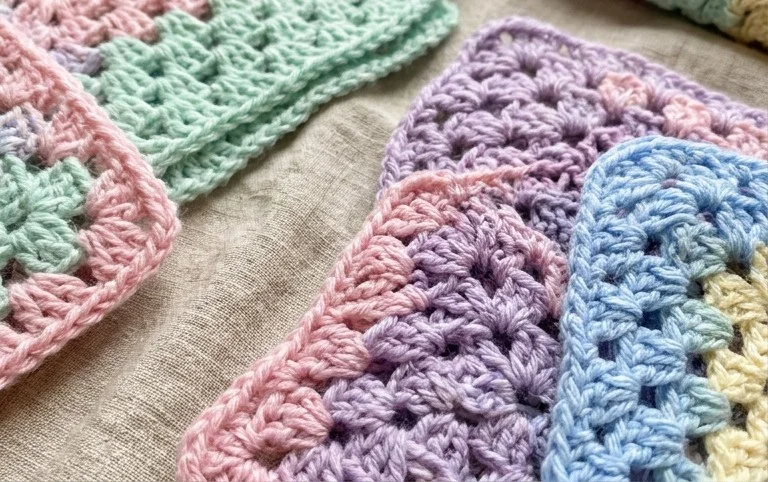
Holding your finished, scrubby cotton cloth gives you a real sense of accomplishment after just an hour of focused work. You might experiment with variegated yarn colors for a modern look or add a simple hanging loop to the corner for faster drying. Sharing photos of your finished set on social media helps other makers see how simple stitches transform into practical housewares. Explore the rest of the blog archives for more accessible projects and patterns that help you build your confidence as a crochet artist.