Easy Cloud Blanket Free Crochet Pattern Step-by-Step
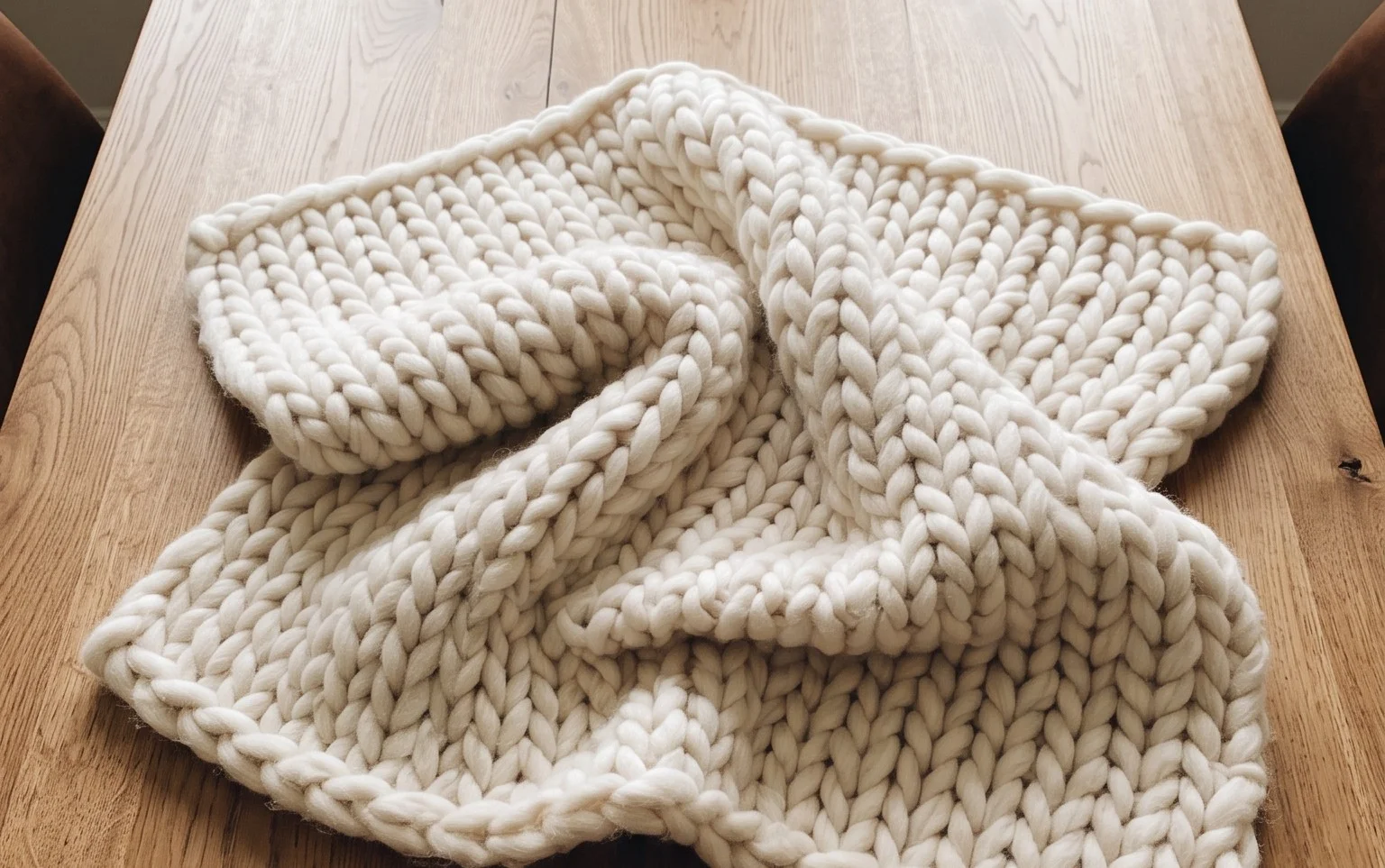
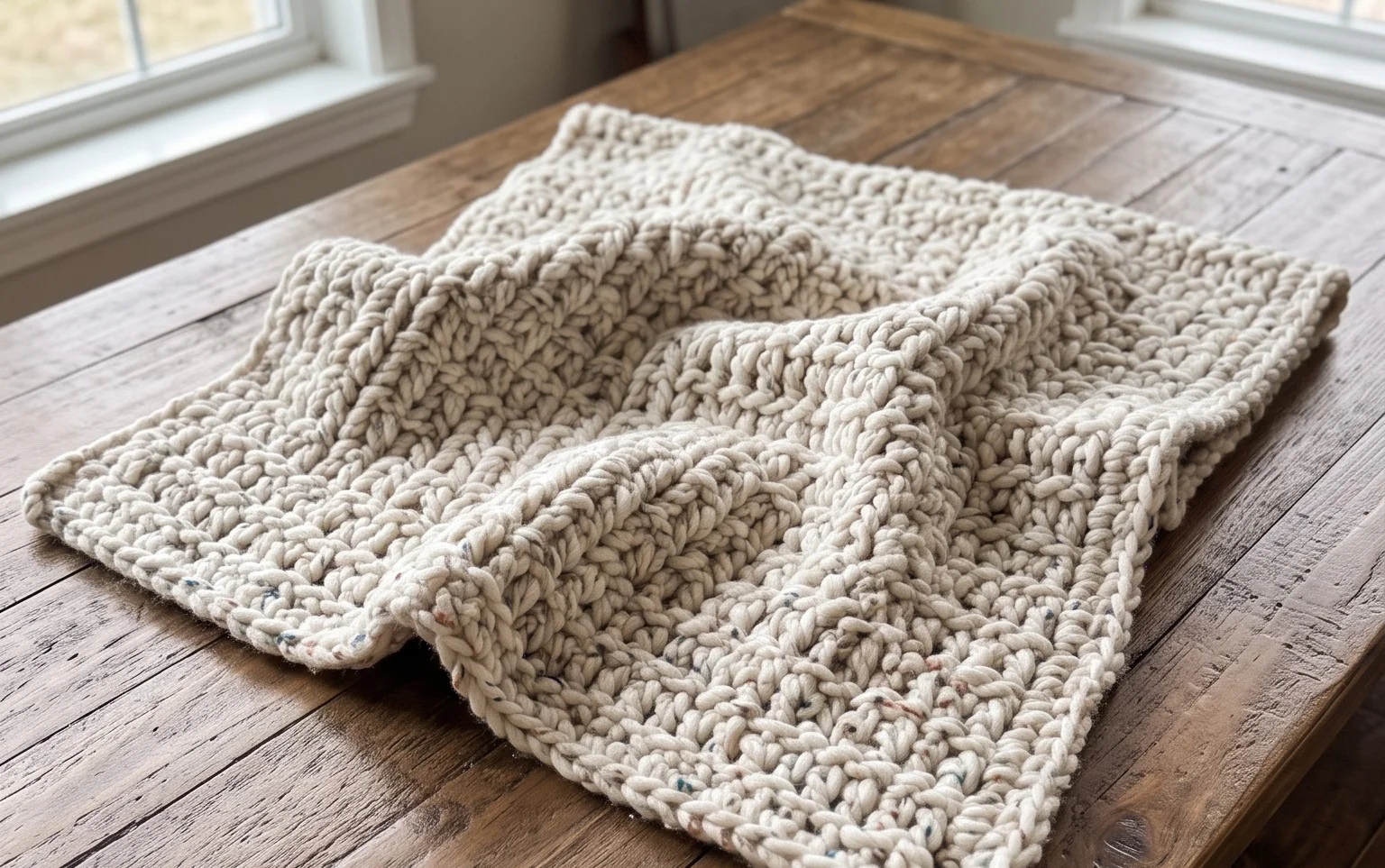
Soft, squishy, and reminiscent of a summer sky, this handmade throw provides the kind of comfort that makes you want to curl up on the sofa for hours. The unique stitch pattern creates a dense, cloud-like density that is warm without feeling too heavy or stiff against your skin. Beginners appreciate how the repeating sequence builds muscle memory quickly, while more experienced makers enjoy the rhythmic nature of the work. You will master the basic half double crochet and chain stitches throughout this guide to assemble your own piece of home decor that feels genuinely personal and warm.
Why You’ll Love This Pattern
This classic crochet dishcloth works up quickly using basic stitches, making it an ideal project for those who want to practice tension control without a massive time commitment. Because it uses 100% cotton, the finished fabric is absorbent and durable enough for daily scrubbing in the kitchen. The textured stitch pattern helps trap debris during cleaning, and since it is a small item, it serves as a great vehicle for using up leftover yarn scraps from larger projects. Experienced crocheters will find this to be a relaxing, rhythmic make that requires very little mental effort once the first few rows are established.
I managed to finish three of these in a single weekend. The texture is much better than store-bought cloths, and they hold up perfectly after multiple washes in hot water.
— Sarah, home crafter
Pattern Overview & Skill Level
- Skill Level: Beginner
- Approximate Time: 45 to 60 minutes
- Construction: Worked in flat rows back and forth, starting from a base chain.
- Finished Dimensions & Sizing: Approximately 8 inches by 8 inches.
Materials & Supplies Needed
- Yarn: Worsted #4 weight, 100% cotton yarn (e.g., Lily Sugar’n Cream). Approximately 50 yards per cloth.
- Hook Size: 5.0 mm (H-8) crochet hook.
- Notions: Tapestry needle for weaving in ends, sharp scissors.
- Safe yarn substitutions: You may use a cotton-acrylic blend for a softer feel, though 100% cotton remains the most absorbent choice for kitchen use. Using a lighter weight yarn will result in a smaller cloth, so adjust your starting chain length accordingly.
Stitch Guide & Abbreviations (US Terms)
- ch = chain
- st/sts = stitch/stitches
- sc = single crochet: Insert hook, yarn over, pull up a loop, yarn over, pull through both loops on hook.
- dc = double crochet: Yarn over, insert hook, yarn over, pull up a loop, yarn over, pull through two loops, yarn over, pull through remaining two loops.
- sl st = slip stitch: Insert hook, yarn over, pull through stitch and loop on hook.
- YO = yarn over
Step-by-Step Pattern Instructions
This pattern utilizes a seed stitch variation to create a bumpy, scrubby texture.
- Foundation: Chain 30.
- Row 1: Sc in the second ch from the hook and in each ch across. (29 sts)
- Row 2: Ch 1, turn. *Sc in the next st, dc in the next st. Repeat from * until 1 st remains, sc in the last st. (29 sts)
- Row 3: Ch 1, turn. *Dc in the next st, sc in the next st. Repeat from * until 1 st remains, dc in the last st. (29 sts)
- Rows 4–28: Repeat Rows 2 and 3 alternating. Ensure you maintain the stitch count of 29 in every row.
- Finishing: Fasten off leaving a 6-inch tail. Use your tapestry needle to weave the tail back and forth through the stitches to secure it. Trim any excess yarn.
Care & Washing Instructions
- Machine wash in warm or hot water with like colors to remove grease and food particles.
- Tumble dry on low heat or hang to air dry to prevent shrinkage of the natural cotton fibers.
- If the cloth becomes misshapen after drying, simply dampen it with water and lay it flat on a towel, stretching it into a square shape to dry.
Pro Tips & Common Mistakes to Avoid
- Maintain consistent tension throughout the project. Cotton yarn has no elasticity, so if you crochet too tightly, the fabric will be stiff and difficult to work with.
- Always place a stitch marker in the first stitch of every row. This helps you identify where to place your final stitch of the next row, preventing the edges from accidentally shrinking.
- When weaving in ends, weave in the direction of the stitches and then reverse direction for one inch to lock the yarn in place, preventing the end from unraveling in the laundry.
- To adjust the size, simply add or subtract chains in multiples of two. Keep in mind that a larger cloth will require more than one skein of standard 2.5-ounce cotton yarn.
Frequently Asked Questions
Can I use a different yarn weight for this pattern?
Yes, you can use a lighter or heavier yarn. If you use a thinner yarn, increase your starting chain to meet the desired width. If you use a thicker yarn, decrease the starting chain.
Is this pattern suitable for someone holding a hook for the first time?
Yes, this is an excellent starter project. It only uses two basic stitches and requires you to work in straight rows, which builds confidence before moving on to circular shapes or garments.
Should I block my dishcloth before using it?
Blocking is not strictly necessary for utility items like dishcloths. However, if you want a professional square shape, you can lightly steam it or dampen it and pin it to a blocking mat for an hour.
Am I allowed to sell the dishcloths I make from this pattern?
You are welcome to sell finished items created from this pattern. I only ask that you credit the original design when listing your products online.
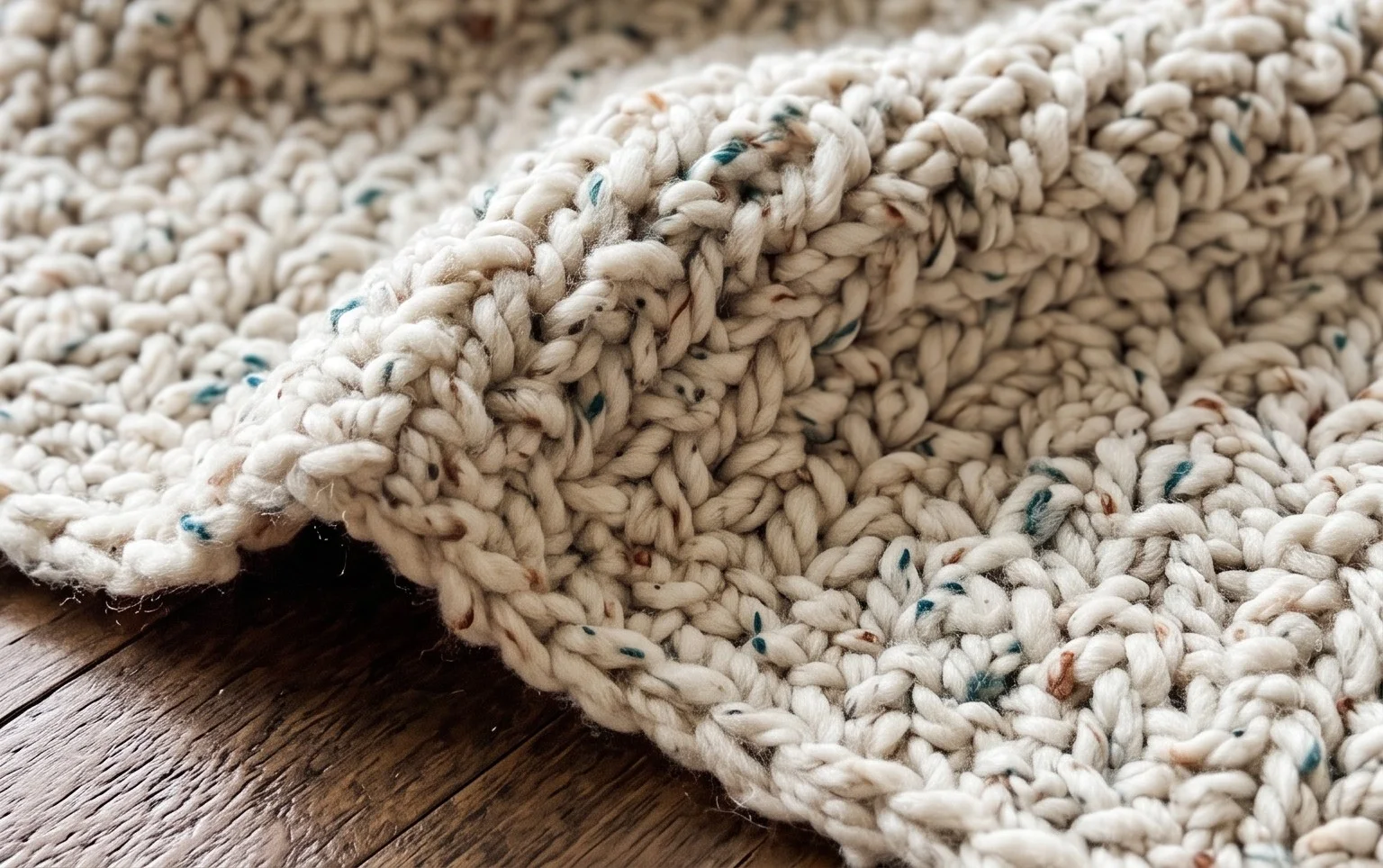
Seeing your finished throw draped over the armchair or folded at the foot of your bed makes all those hours of stitching worth it. You might consider using a variegated yarn for your next version to create a gentle color-shifting effect that mimics a sunrise or a storm. Tag your photos on Instagram or Pinterest so we can see how your project turned out in your own space. Browse through our archives for more free patterns that help you build your collection of handmade home items throughout the year.