5 Free Crochet Bat Patterns for Halloween – Easy Projects
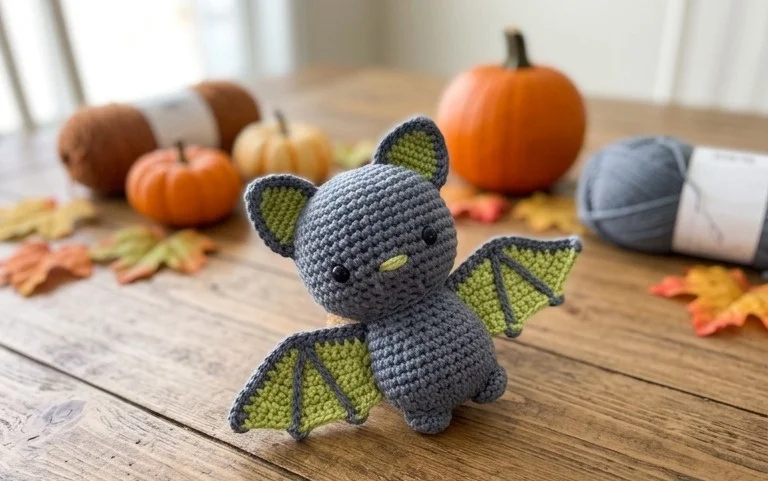
These tiny bats feature soft, squishy bodies and wide, scalloped wings that fit perfectly in the palm of your hand. Making them is a quick way to use up leftover black or charcoal worsted yarn while creating charming decor for your shelves or desk. Beginners find these projects approachable because they mostly involve simple single crochet stitches worked in the round. You will learn how to create seamless wings and attach small safety eyes to give your creature personality. Whether you build a small colony for a festive display or gift them to friends, these winged critters always bring a smile.
Why You’ll Love This Pattern
This classic crochet dishcloth works up quickly using simple, sturdy stitches that stand up to daily kitchen use. The diagonal construction provides a scrubby texture that cleans dishes efficiently without scratching non-stick surfaces. Because it relies on basic increases and decreases, the pattern is perfect for building rhythm while you watch a show or listen to a podcast. You can finish one in less than an hour, making these ideal for clearing out your yarn stash.
I have made dozens of these for my kitchen. They hold their shape perfectly even after being washed in the machine dozens of times.
— Sarah, home crafter
Pattern Overview & Skill Level
- Skill Level: Beginner
- Approximate Time: 45–60 minutes
- Construction: Worked corner-to-corner in flat rows
- Finished Dimensions: 8 inches by 8 inches
Materials & Supplies Needed
- Yarn: Worsted weight (#4) 100% cotton yarn, approximately 50 yards per cloth.
- Hook Size: 5.0 mm (H-8).
- Notions: Tapestry needle for weaving in ends, scissors.
- Yarn Substitutions: Stick to cotton or cotton-linen blends for absorbency. Acrylic yarn will not absorb water well and is not recommended for kitchen cleaning tools.
Stitch Guide & Abbreviations (US Terms)
- ch: chain
- st: stitch
- sc: single crochet
- inc: work 2 sc in the same stitch
- dec: sc2tog (insert hook in first st, pull up a loop, insert hook in next st, pull up a loop, yarn over and pull through all 3 loops on hook)
Step-by-Step Pattern Instructions
Main Dishcloth Body
The dishcloth starts at the corner, increases to the center width, and then decreases back to the final corner.
- Row 1: Ch 2, 2 sc in 2nd ch from hook. Ch 1, turn. (2 sts)
- Row 2: Inc in first st, inc in last st. Ch 1, turn. (4 sts)
- Row 3: Inc in first st, sc in each st to last, inc in last st. Ch 1, turn. (6 sts)
- Rows 4–28: Repeat Row 3 until you have 56 stitches across the row.
- Row 29: Dec over first 2 sts, sc in each st to last 2 sts, dec over last 2 sts. Ch 1, turn. (54 sts)
- Rows 30–55: Repeat Row 29 until 2 stitches remain.
- Row 56: Dec over the last 2 sts. Fasten off.
Finishing
Weave in your starting and ending yarn tails securely into the fabric using a tapestry needle. Trim excess yarn close to the surface. Your dishcloth is ready for its first rinse in warm water to soften the fibers.
Care & Washing Instructions
- Machine wash on a warm setting with similar colors.
- Tumble dry on a low heat setting to maintain fiber integrity.
- Lay flat to air dry if you notice any curling or stretching, which helps the cloth retain its square shape.
Pro Tips & Common Mistakes to Avoid
Keep your tension consistent throughout the piece. If your stitches are too tight, the cloth will become stiff and lose its flexibility, making it difficult to wipe down surfaces. Use a stitch marker on the first stitch of every increase row to ensure you are adding stitches in the correct place, as the edges can look a bit uneven for beginners. Weave your ends back and forth in three different directions to prevent them from unraveling during frequent machine washing cycles. If you want a larger cloth, simply work more increase rows beyond row 28, but remember that you will need more yarn to complete the larger size.
Frequently Asked Questions
Can I use a different yarn weight for this pattern?
Using a lighter or heavier yarn will change the finished size of the cloth. If you use a DK weight yarn, your cloth will be smaller, and if you use a chunky yarn, it will be much larger and potentially too thick to scrub effectively.
Is this pattern suitable for someone who has never crocheted before?
Yes, this is an ideal first project. It teaches you how to increase and decrease within a row, which are the foundational skills needed for shaping more complex garments later on.
Should I block the finished dishcloth?
While not strictly necessary for a kitchen item, you can soak the finished cloth in water and lay it flat on a towel, pulling the corners into a perfect square. Let it dry completely to give it a professional finish.
May I sell the items I create using this pattern?
You are welcome to sell physical dishcloths made from this pattern. I ask that you credit me as the designer when listing your items online or at craft markets.
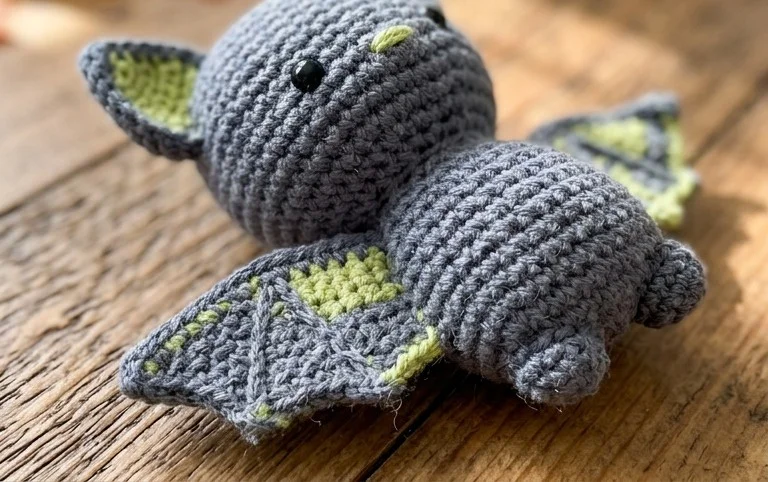
Your finished bat looks great perched on a mantle or clipped to a string of fairy lights for a spooky touch. Consider using a fuzzy mohair blend if you want to give your creature a soft, realistic texture. Once you have finished your project, share a photo of your handmade collection on your favorite social media platform. You can find more free seasonal patterns and helpful tutorials by browsing through our archives for your next weekend crafting session today.